Not All Physical Domestic Violence Leaves Bruises
Insidious abuse tactics do triple harm to their victims in these ways
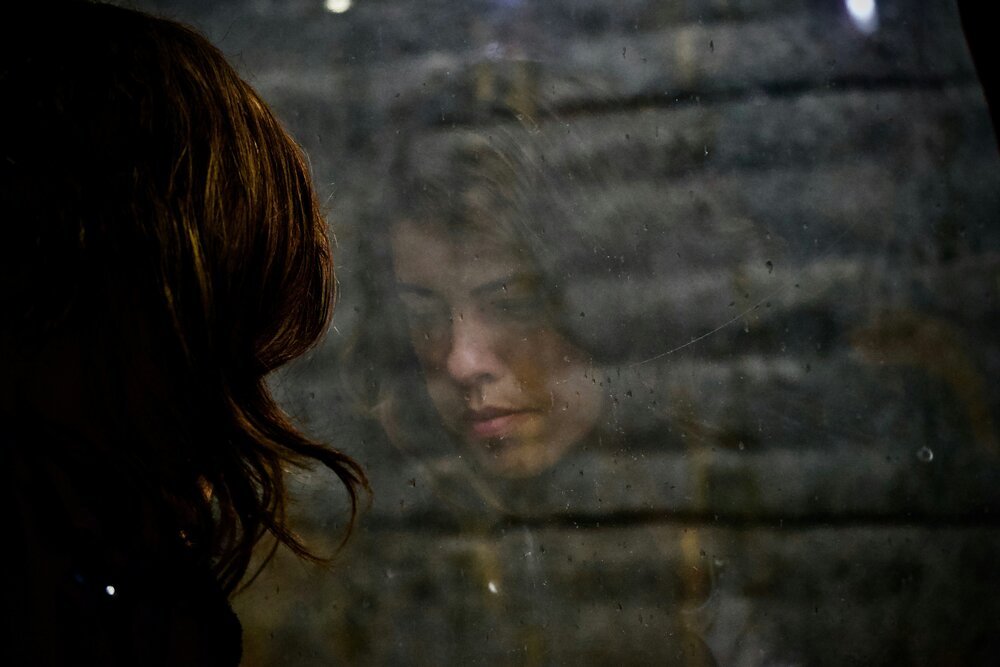
When I try to explain why I never called the police on my ex-husband, people don’t understand until I go into the details of how it happened.
It’s not an easy topic to write about, but it is important because I believe there are many people out there who have lived through similar circumstances and feel just as helpless as I did.
No Physical Proof
I didn’t have many instances that left marks on me, but they hurt nonetheless. The long-term effects will be with me for the rest of my life.
He is a trained fighter. Ex-special forces, and he has multiple black belts in various forms of karate and martial arts. He’s nearly a foot taller than me and outweighs me by 100 lbs. One of his specialties is pressure point fighting.
This article does a great job of explaining pressure point fighting.
To sum it up, pressure point fighting is meant to incapacitate, cause pain, minimize function, and disorient… and it doesn’t take a lot of effort, just proper placement.
I can’t explain in words the way it feels. He called some of them his electricity moves because that is the best way to describe them. It feels like you have been touched by a live wire.
One moment, I would be standing by the sink washing dishes and the next I would be writhing on the floor because my leg was on fire and lost its function.
It’s a fire that comes on instantly and feels as if it began on the bone and burned its way outward. It spreads in all directions simultaneously, and you hit the floor before you realize what has happened.
The same thing happened if he did it to my arm. The pain spreads to your chest and neck. It’s intense enough to lock your jaw and cause a massive migraine. My arm would hang limp at my side afterward, and it was weak and limited for hours.
And it doesn’t leave a mark.
Nearly Dislocated Joints
Arm bars, hyperextended elbows, knees, behind-the-back arm locks, and wrist holds.
When you repeatedly push someone’s joints to the limits with holds, you damage them a little at a time. I now live with arthritis, scar tissue, stretched capsules, and dislocated tendons. Pain and movement are intertwined.
And it doesn’t leave a mark.
What it does leave is terror. You learn that you can and will be overpowered every time.
I learned that you never know when it will happen.
My ex didn’t raise his voice or scream. We never had a loud fight or shouting match. (outside of a single marriage counseling session. I only ever yelled at him that one time, and he yelled back.)
Most of the abuse happened when I thought we were getting along. During mundane daily activities like running errands, doing chores, or watching TV. There was no pattern I could detect to brace myself for it.
Restricted Breathing
Have you ever fallen and knocked the breath out of yourself? Imagine it happened when you thought you were getting a hug or a kiss.
It doesn’t take much force to stun a diaphragm or temporarily dislocate a rib.
You can’t even gasp for breath when your diaphragm isn’t functioning. Your lungs won’t work. The mechanism that allows them to inflate and deflate goes offline. It only lasts a few seconds, but those seconds feel like hours.
Instant panic sets in as you realize that you have no options. No sound escapes because there’s no air to produce it. You can only silently scream and hysterically try to push on your stomach to make your lungs work again.
For weeks or months, you feel the discomfort and pain that those few seconds produced.
And it doesn’t leave a mark.
A dislocated rib is not as chaotic, but it lasts much longer. These were caused by induced muscle spasms. He would press the spaces between my ribs or along my spine, and they would lock up, pulling the connected ribs out of place until the muscle could relax.
That could be hours, days, or weeks.
Until then, you can’t fully expand your ribs, so you can never get a full breath. Just partial breaths that don’t satisfy. It’s accompanied by pain and discomfort. Your lungs and your heart feel damaged by the restriction.
Any bruises were barely the size of pencil erasers, if there were any bruises at all.
That first full breath feels amazing. You don’t realize how dull it makes things in your life. Colors seem brighter, sounds are clearer, your vision is sharper, and you can finally think normally again. The fog you lived in with limited oxygen goes away.
Pinned To The Wall
It wasn’t quite choking. My toes could touch the floor, and there was an arm under my chin, across my neck and chest. Never a hand on my throat.
And it doesn’t leave a mark.
No fingerprints or bruises left behind.
I couldn’t escape or fight back because any moves I made were easily blocked or would result in that limb being detained as well. Further limiting my movements.
You can breathe. You can move. You can struggle. You can’t get away.
I would agree to many things in those moments just to get him to let go of me. Things that I was expected to keep my promise about. My words would be used against me later. “You said you would do this.” “You’re a grown woman. Don’t agree to things you don’t want to do. Have some integrity.”
It was easier and safer to continue to say yes even if I wanted to say no. Eventually, no stops being an option. It is always yes.
Sleeper Holds
It only takes a few seconds for a proper sleeper hold to take effect.
One moment you are folding laundry, and the next you’re on the floor disoriented, trying to figure out how you got there. The memory comes back, but not immediately.
No bruises. No raised voice. No warning.
And it doesn’t leave a mark.
The pain is on the inside. Your neck, shoulders, and upper back feel strained, and your throat is sore. It hurts to swallow for days.
Imagine having a full conversation the instant you wake up from a deep sleep. In the initial confusion, you are told what you think, feel, and believe. The lack of blood flow leaves you vulnerable to influence.
Whatever you were discussing before the incident and after are a blur, and suggestions are planted in your mind.
Agreements and decisions are made in those times that normally wouldn’t have happened. You are expected to comply anyway.
Who Would You Believe?
Imagine calling the police to report abuse, and you have no injuries that show.
Puffy eyes from crying and a fight or flight response aren’t enough for law enforcement to act on.
It becomes a he-said/she-said, and the abuser is calm.
Why wouldn’t they be the one who seems more credible?
This is how the story is spun. Victims of this kind of abuse don’t speak up because who would believe us?
Even worse, we blind ourselves to it because it doesn’t seem like typical abuse. I recall being told that this was “training”. He was just trying to help me learn how to defend myself.
It seemed believable enough because he would often tell me that as he did these moves. “You aren’t even trying.” “C’mon, don’t let me take you down.”
As if I ever stood a chance.
I knew what would happen if I ever told anyone about it. I wouldn’t be believed because he was always steady on the outside. I would have been the dramatic spouse who called the police for no reason out of vindictiveness. “She’s crazy.” “Do you see what I have to deal with?”
Eventually, they would stop coming and stop caring because there are real issues to deal with. Real violence with real injuries that they could photograph for evidence. Real black eyes, real broken bones, and real bruises.
Things I didn’t have.
No Reports Means No Proof
Only the two of us know it happened.
I never told anyone, mainly because I didn’t consider it abuse. It started small and took over 20 years to escalate to the point it did. It was a part of my normal life.
I write more about it in this post.
During our divorce, I seemed a lot less credible than him when questioned because I could not contain my panic. PTSD doesn’t ask you when it’s going to trigger and take over your body. It slams you in an instant.
My body remembers every time.
My voice goes away. Every word has to be forced out, and it sounds ridiculous and strained. I forget words and the plan laid out. I lose time. I don’t recall how I got home from our last court date. I know I drove, but my memory begins again hours after I am home.
Without proof, nothing happens. But how do you prove something that doesn’t show?
When you finally find your voice and begin talking about what happened, victims are often asked why they didn’t report it or told that there are two sides to every story. That’s true. I’m sure he has a reason why he did them. I’m sure he feels they weren’t that bad, or he had to because I forced him to by not listening the way he wanted me to.
It doesn’t matter.
It happened.
These kinds of incidents rob their victims of safety, agency, and options in real time. Later, it robs them of justice because it’s too little to go on, and beyond a reasonable doubt cannot be overcome.
Most days, I have peace about it. It doesn’t come up in thoughts, and I go about life normally. It was a time in my life that I will never have to live through again. I may have to deal with the physical limitations and lasting pain from the injuries, but no new ones are created.
Some days, I don’t have peace.
Some days, I wake up in a panic with my heart racing, sweat running down my skin, and tears from whatever nightmare I was having. I can’t control when it happens; however, it takes less and less time to recover as the years go by.
Not all abuse leaves a mark you can see.